How to Play Online Slots in the UK
Last updated: 17 March 2026
This guide breaks down the practical side of playing online slots in Britain, from choosing a licensed operator to understanding volatility, payments and safer gambling tools before you deposit.
UK licences – where you can play slots legally

In Great Britain, the safest starting point is a site licensed by the UK Gambling Commission (UKGC). A UKGC licence does not guarantee that every casino is equally good, but it does mean the operator must meet stricter rules around fairness, consumer protection and safer gambling controls.
Licensed operators are expected to use certified random number generators, display important game information and provide tools such as deposit limits, time reminders and self-exclusion. You should still verify those details yourself by checking the footer, help pages and account settings before committing money.
Northern Ireland is governed under a different legal framework, while England, Scotland and Wales fall under the UKGC model. If you travel or play from outside the UK, the rules can differ, so it is worth confirming what protections apply before using any casino that markets internationally.
Types of slots you can play in the UK
Slot games can look similar at first glance, but the way they behave can vary a lot. Understanding the main formats makes it easier to pick games that match your bankroll, attention span and appetite for risk.
Classic slots (fruit machines)
Classic slots are usually built around fewer reels, simpler bonus structures and recognisable symbols such as fruit, bars or sevens. They often suit shorter sessions or players who prefer less clutter on screen and fewer bonus mechanics to keep track of.
Video slots
Video slots dominate modern casino lobbies. They usually include larger layouts, free spins, bonus rounds, multipliers and animated themes, which makes them more varied but also more dependent on checking RTP and volatility before you start spinning.
Megaways slots
Megaways titles change the number of symbols on each reel with every spin, creating a constantly shifting number of ways to win. They are popular because of their feature potential, but many players find them more volatile and more expensive to ride out over longer sessions.
Progressive jackpot slots
Progressive jackpot slots feed part of each qualifying stake into a shared prize pool. They can be exciting because of the headline numbers, but they often behave very differently from ordinary video slots and may offer lower base returns in exchange for the jackpot potential.
Branded and licensed slots
Branded slots lean on recognisable themes from television, film, music or game shows. The branding can make a game feel familiar, but the maths still matters more than the theme, so treat them like any other slot and check the paytable, RTP and feature style first.
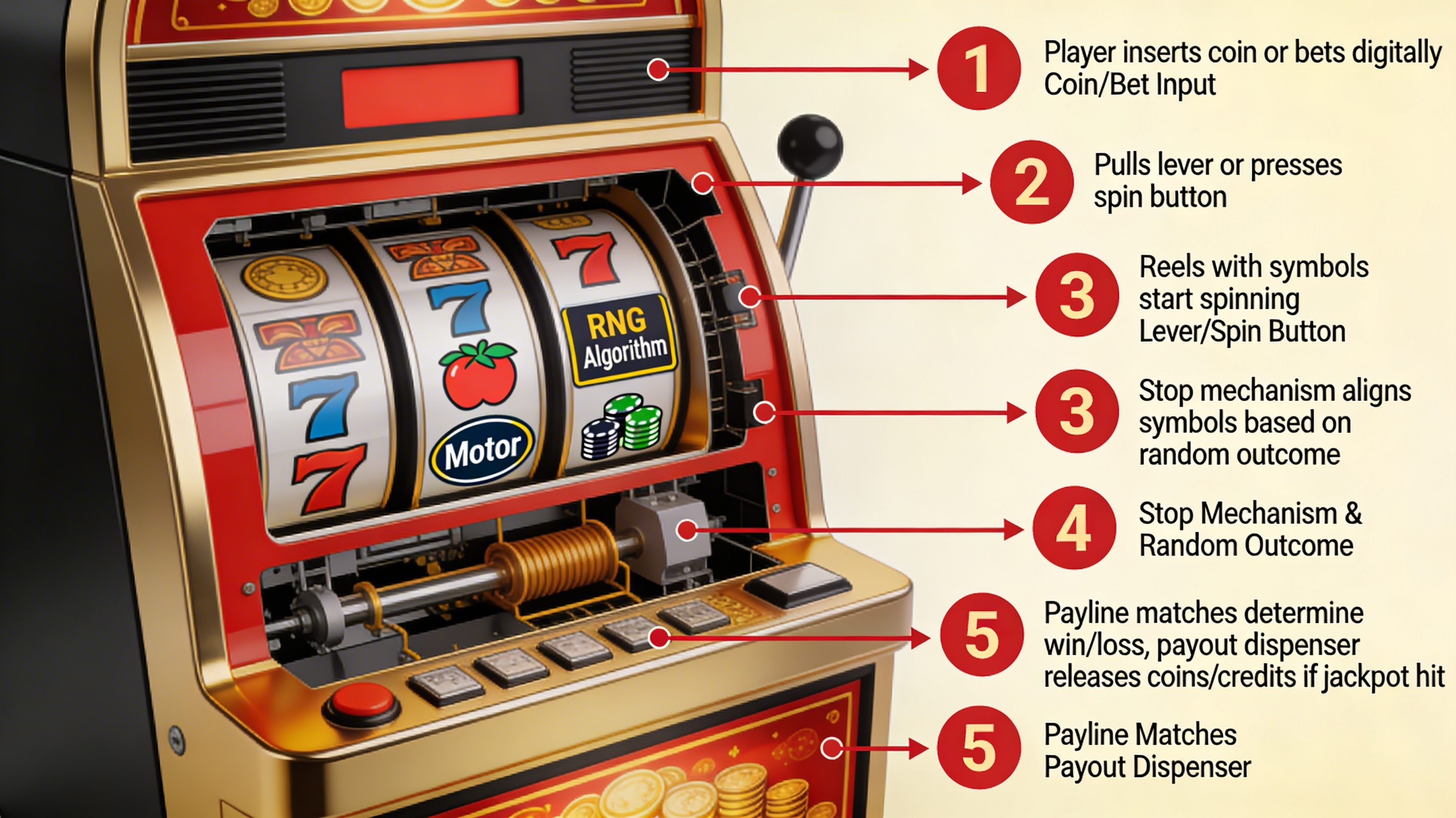
How to play slots in the UK – step by step
Getting started is straightforward, but a little preparation makes a big difference. The steps below are designed to help new players set up properly instead of rushing from registration to deposit.
- 1
Pick a UKGC-licensed site
Look for a site that clearly shows who operates it, how it is licensed and how customer support can be reached. A visible UKGC trail is a much better sign than a flashy homepage banner.
- 2
Register and verify
Enter accurate personal details from the beginning. Identity checks are routine before withdrawals, and sloppy registration data is one of the easiest ways to create delays later.
- 3
Play in demo mode first (optional)
If demo play is available, use it to get a feel for volatility, bonus pacing and controls. It is one of the easiest ways to decide whether a slot suits you before any real-money stake is involved.
- 4
Deposit and set limits
Choose a payment method you recognise and set deposit or session limits before the first spin. Limits work best when they are in place early rather than added after a difficult session.
- 5
Choose a slot and play
Check the paytable, RTP and feature summary before you start, then choose a stake that fits the length of session you want. Playing slower and with a plan usually tells you more about a slot than increasing the stake too quickly.
Payments to play slots – deposits
Payment choice affects more than convenience. It also influences how easily you can track spending, how fast cashouts arrive and whether a welcome offer qualifies in the first place.




Debit cards (Visa, Mastercard) remain common because they are familiar and usually straightforward to use. Credit cards are banned for gambling in the UK, so debit-only payments are the standard card route for most players.
E-wallets and mobile payments such as PayPal, Skrill or Apple Pay are often chosen for speed and ease on phones. They can also lead to quicker withdrawals, but some casinos restrict bonus eligibility for specific wallet types, so always check first.
Bank transfer and prepaid-style options are also available at many casinos. These can be useful for budgeting, but processing times and bonus rules differ from site to site, so the cashier page is worth reading carefully before you deposit.
Payouts and withdrawals when you play slots
Withdrawal speed varies more than many new players expect. Some casinos are fast once your account is verified, while others take longer because of pending periods, document checks or the method used for the payout.
Before the first cashout, most operators will ask for proof of identity and sometimes proof of address or payment ownership. Completing that early can make the difference between a smooth withdrawal and a frustrating wait after a win.
RTP (return to player) gives a theoretical long-term average, while volatility tells you how intense the swings may feel in a short session. Those two numbers matter much more than the theme of the game when you are choosing how far your bankroll might realistically stretch.
Risks and responsible play when you play slots UK
Slots are entertainment, but they are also a form of gambling with a built-in house edge over time. Wins and bonus rounds can make sessions feel exciting, yet every real-money spin still carries the chance of loss, so it is important to treat gambling spend as disposable.

Gambling harm can affect anyone, including people who thought their play was under control. If sessions are becoming longer, more expensive or emotionally difficult, use the site tools immediately and reach out to services such as BeGambleAware, GambleAware or GamCare. You can also register with GamStop to self-exclude from UKGC-licensed operators.
Bonus terms can change the entire value of a promotion. Wagering, maximum stakes, game exclusions and expiry windows all influence whether an offer is realistic for your play style, so read those conditions before opting in.
Unlicensed sites and misleading promotions create extra risk because they may not follow the same standards on fairness, withdrawals or complaints. Sticking to regulated operators and checking the small print is still the simplest way to avoid most of those problems.
FAQ – play slots UK
Short answers to some of the questions new and returning players ask most often before they sign up or deposit.
Is it legal to play online slots in the UK?
Can I play slots for free in the UK?
What is RTP and why does it matter when I play slots?
How old do I need to be to play slots in the UK?
Can I play slots on my phone in the UK?
What payment methods can I use to play slots?
About the author

Chloe Mercer
Chloe Mercer is a UK casino writer covering online slots, bonuses and easy-to-use gambling sites for everyday players. Her work focuses on the details players actually notice in real use, including mobile experience, withdrawal speed, payment options and whether bonus terms make sense without digging through pages of fine print.
Ready to compare slot sites?
Use the guides and tables across Lavery Pennell to find a licensed casino, review the terms and start with a site that matches how you actually play.